


 480-993-8999


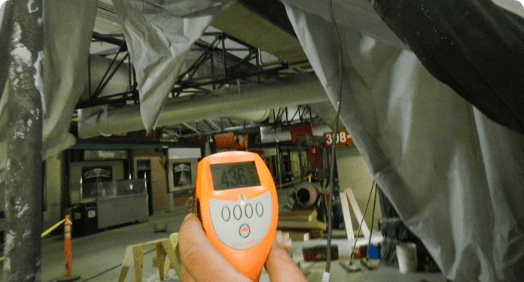

Non-destructive testing (NDT), also called 4non-destructive inspection (NDI) or non-destructive examination (NDE), is an evaluation technique used to examine the integrity and properties of a material, structure, or component for signs of potential welding failure, discontinuities, and defects without causing damage. In other words, after the inspection, the part or system is still functional and serviceable.
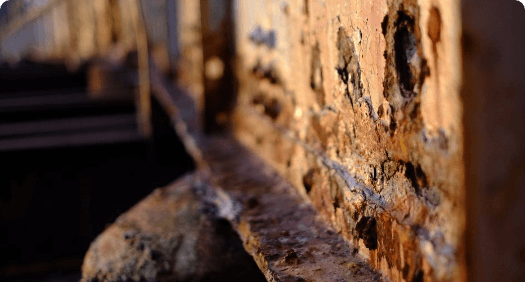
NDT detects corrosion and other issues in industrial storage tanks and pipework. Ensuring well-maintained infrastructures and recognizing threats, makes it possible to take preventive action before a catastrophic accident occurs.
Types of Non-Destructive Testing for Industrial Tanks and Coatings
Protecting your assets starts with prevention. Let us walk you through the different NDT methods employed for underground or aboveground storage tanks and their coatings.
1. Visual Inspection
Visual inspection is the most basic yet fundamental NDT approach. It involves a comprehensive visual examination of a tank’s external and internal components. Trained inspectors carefully inspect the tank for visible and concealed signs of corrosion, leaks, structural deformities, and other anomalies. This method is often the first step in the NDT process, serving as a baseline for more advanced techniques.
2. Surface Contamination Assessment
Contaminants such as oil, grease, dirt, or chemicals can compromise an AST’s structural integrity and pose risks to stored substances. This NDT technique detects the presence of surface contaminants, especially before a welding or coating project, to prevent the onset of weld failures and corrosion.
3. Ultrasonic Testing (UT)
Ultrasonic testing is a commonly used NDT technique for industrial storage tanks. It uses high-frequency sound waves to check the thickness of tank walls, detect corrosion, and locate internal flaws that may be too small for other NDT methods to identify. Its findings provide information about metal loss, tiny cracks, gaps, and other irregularities.
4. Magnetic Particle Inspection (MPI)
Magnetic particle inspection uncovers surface cracks and defects in ferromagnetic materials such as iron, alloys, cobalt, etc. In this technique, a magnetic field is created around the tank’s surface using magnets or electromagnets. Finely divided magnetic particles are then applied to the surface, which will collect at areas of magnetic flux leakage stemming from a crack. MPI is effective in detecting hard-to-spot flaws and is commonly used for weld inspections.
Related: Before, During, and After Welding: Inspections 101
5. Dry Film Thickness Measurements (DFT)
DFT is compulsory for non-destructive testing for ASTs and USTs, particularly those with protective coatings. Industrial coatings serve as a barrier against corrosion and environmental influences. Chalking, peeling, blistering, and other defects can compromise a coated surface’s performance, durability, and protection, potentially causing the storage tank to leak. NACE-SSPC certified coating inspectors could measure dry film thickness using magnetic induction and eddy current thickness methods, which will not damage the coating or the substrate.
Industrial Inspection Group aims to provide the best NDT services available in the United States and other territories, particularly in the oil, gas, and petrochemical sectors. Our types of non-destructive testing methods leverage cutting-edge technologies, and our team members are experts at identifying the optimum solution for storage tank failures and similar issues.
To find out more about our non-destructive testing solutions, you may reach us at 480-993-8999.


