


 480-993-8999


Welding is a critical process in many industries and applications, from constructing large-scale infrastructure projects to manufacturing machinery and equipment. To assure the stability and dependability of these structures, conducting thorough inspections before, during, and after welding is an indispensable approach.
Importance of Inspection BEFORE Welding
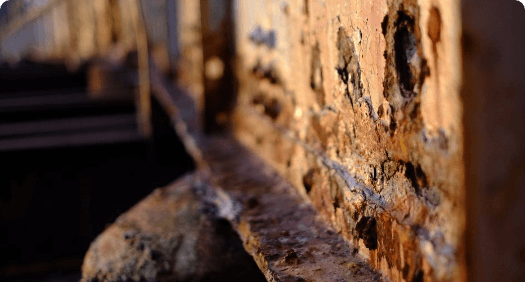
Before the process begins, qualified welding inspectors must examine the base materials and consumables. They need to check for visible defects, which may include cracks, warps, or rust. Certified welding inspectors also confirm whether the materials are free of contaminants like oil or grease.
The above inspection process, particularly for metals such as stainless steel, nickel, copper, titanium, and aluminum, prevents spatter, lack of fusion, misalignment, and other failures, which can compromise the welded structure or equipment’s integrity. The smallest defect can lead to progressive weld failures as devastating as the Alexander L. Kielland Disaster of 1980, causing destruction, injuries, and fatalities.
Importance of Inspection DURING Welding
During the process, welding inspectors shoulder the responsibility of monitoring or overseeing projects, ensuring they meet industry standards. Inspectors need to survey and review the welds for consistency and uniformity, keeping a close eye on defects such as cracks, porosity, and incomplete fusion.
Inspection and quality control during welding are essential, as they allow industrial inspectors to catch faults immediately rather than accumulating and becoming severe over time, ultimately leading to weld failures.
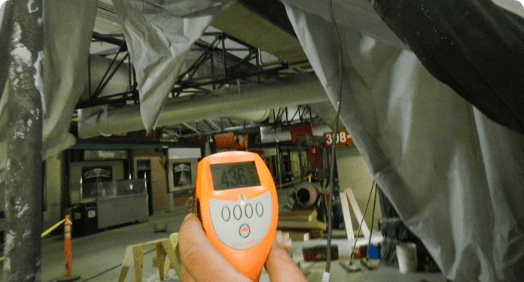
In addition to overseeing the process, independent welding inspectors ascertain that the cables, connections, and electrical arcs powering welding equipment are functional and hazard-free. Inspectors also need to verify whether the welding process is being performed safely, with proper ventilation and personal protective equipment present.
Importance of Inspection AFTER Welding
One final inspection guarantees that the welded structure or component aligns with the required standards and project specifications. The inspection entails examining the welded metals for flaws or defects that may have been overlooked before and during the process. This step also involves assessing the welds’ strength, robustness, and overall quality.
Because most welded metals face extreme conditions, including high temperatures, immense pressure, or mechanical stress, a thorough investigation help confirm whether all structures are sufficiently welded and can serve their intended uses with longevity.
Reiterating Why Welding Inspection and Quality Control Matters
The many benefits of welding inspections include:
-
Affirming quality:
Inspections before and during welding helps prevent defects from occurring, leading to a higher-quality finished product.
-
Early detection of defects:
Inspections during welding can catch mistakes as they occur, preventing multi-million-dollar weld failures.
-
Ensuring compliance:
Inspections after welding enable the finished product to meet the required industry standards and client specifications, guaranteeing compliance with the government’s safety and quality regulations.
-
Cost savings:
Detecting welding defects early and upholding compliance can reduce expenses by avoiding exorbitant repairs, replacements, and penalties.
Inspections before, during, and after welding validate the integrity and resilience of metal structures and components. They identify defects early, assure compliance, save costs, and prevent disasters.
Welding inspections are a necessary quality control measure. Contact us for information on our inspection rates or to learn more about our specialty services.