


 480-993-8999



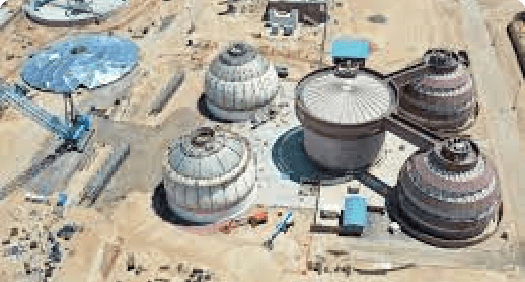


Different industries around the world depend on aboveground and underground storage tanks to hold various kinds of liquids and materials. In the United States, approximately 542,000 underground storage tanks contain gasoline, oil, or other petroleum products.
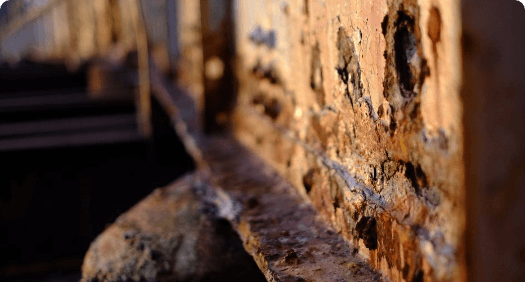
It’s important to know what storage tanks are made of, regardless of whether they contain water or a hazardous substance. The materials used in the manufacturing process should maintain a tank’s integrity against corrosion and its potentially catastrophic outcomes. But also, remember that compatibility matters.
Different materials allow ASTs and USTs to perform better in certain conditions than others. By choosing the appropriate alloy or aggregate, corporations can protect their financial stability and safeguard our environment from disasters.
From what material are tanks made of?
The most common materials that storage tank manufacturers use include:
- High carbon steel is a hard-wearing metal alloy that can sustain significant force. Often used in structural applications, carbon steel’s strength lies in its composition. It consists of 2 to 2.1% carbon, and the higher the amount of carbon added, the stronger the alloy becomes. Hard metals are less likely to bend, but when placed under tensile stress, even carbon steel can crack.
- Titanium is an impressive metal that’s 30% stronger than steel yet nearly 50% lighter, as well as 60% heavier than aluminum yet twice as durable. This native metal is also highly resistant to corrosive elements, including chlorine and saltwater.
- Concrete is a sturdy and long-lasting storage tank material, often maintaining its integrity for up to 50 years. Concrete tanks are common in various industries, including agriculture and food processing. It’s also one of the best water storage tank materials available.
- Stainless steel is one of the most common materials used in different industries – from construction, chemical formulation, to jewelry making – due to its durability and resilience to corrosive attacks.
- Duplex stainless steel is twice as strong as austenitic stainless steel. Being made from chromium, nitrogen, and sometimes molybdenum, this metal has high mechanical strength and resistance to several types of corrosion, especially pitting, cavitation, and stress corrosion cracking.
- Hastelloy alloy performs well under severe heat and pressure, making it one of the best storage tank materials in gas, oil, geothermal, solar, and other industries under chemical processing.
- Monel alloy is a nickel-based compound with 29 to 33% copper content. Each of the many types of Monel has differing metal mixtures. Chemical plants and the aerospace industry are among the top consumers of this compound, which can withstand aggressive corrosive attacks.
- Inconel is a nickel-chrome-based alloy suited for extreme environmental conditions. Its reliable properties include superior strength and high resistance to corrosion and oxidation resistance at high temperatures. Aside from storage tanks, Inconel is a popular metal alloy found in gas turbine rotors and blades.
Choosing the appropriate storage tank material for your unique needs is crucial to ensuring the integrity and longevity of your containers. It can also reduce maintenance and repair costs, stop corrosion in its tracks, and prevent safety risks.
Don’t forget the coating!
Of course, selecting the best material for aboveground tanks and underground vessels is only half the battle against corrosion. Coatings are important, too. Not only do quality industrial coatings provide erosion- and abrasion-resistant layers of protection, but they can also improve your storage tank’s appearance and lifecycle. Dial 480-637-5238 to hire an independent coating inspector adept in detecting and mitigating corrosion.